

Running effective customer reactivation campaigns is crucial for businesses looking to optimize their expenses and increase profitability. The probability of selling to an existing customer is significantly higher than selling to a new one, highlighting the importance of customer retention. By focusing on reactivating dormant customers, businesses can tap into a pool of low-hanging fruits and positively impact their growth. In this article, we will explore strategies for reactivating customers, with a particular emphasis on the benefits of using telesales as a personalized and effective approach. With the right customer reactivation campaign, businesses can not only increase revenue but also foster stronger relationships with their customers.
Strategies for Running Effective Customer Reactivation Campaigns
Customer reactivation is an important aspect of any business, as it focuses on bringing back former customers who have become inactive. Understanding the cost of acquiring new customers and the benefits of customer retention are key factors in realizing the value of reactivating old customers. In this article, we will discuss the importance of customer reactivation, strategies for reactivating customers, and the role of telesales in this process.
Why Customer Reactivation is Important
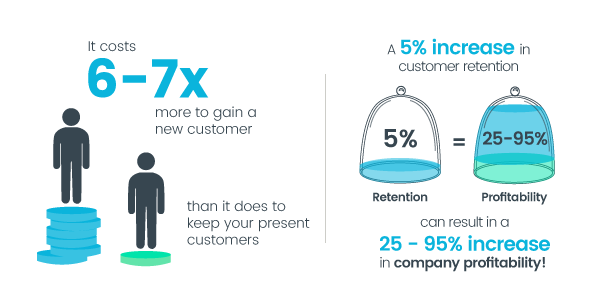
Customer reactivation plays a crucial role in optimizing business expenses. It is well-known that acquiring new customers is much more expensive than retaining existing ones. Studies have shown that the probability of selling to an existing customer is between 60-70%, while the probability of selling to a new prospect is only 5-20%. This highlights the importance of focusing on customer retention and reactivation to save on customer acquisition costs.
Understanding the Cost of Acquiring New Customers
Acquiring new customers can be costly, with expenses tied to outbound and inbound marketing, as well as sales and business development salaries. As acquisition numbers grow, these costs can become significant. On the other hand, reactivating former customers can be seen as an opportunity to tap into low-hanging fruit, as past purchasers already have an existing relationship with the brand. Increasing customer retention by just 5% can lead to a substantial increase in profits, making reactivating old customers a cost-effective strategy.
The Benefits of Customer Retention
Customer retention not only saves on acquisition costs but also offers several other advantages. Reactivated customers are more likely to listen to what you have to offer, as they already trust your brand. The probability of selling to them is much higher compared to new prospects. Additionally, reactivated customers can become advocates for your brand, further increasing your brand’s credibility and attracting new customers. By focusing on customer retention and reactivation, businesses can capitalize on the potential revenue they might otherwise be leaving on the table.
Key Reasons to Reactivate Former Customers
There are several reasons why businesses should prioritize reactivating former customers. Firstly, reactivated customers have previously purchased from your brand, indicating a level of interest in your products or services. By studying these customers, businesses can identify the reasons for their inactivity and take appropriate action to address their concerns. Furthermore, reactivated customers are already aware of your brand, making them easier to re-engage compared to completely new prospects. Reactivating former customers is an opportunity to rebuild and strengthen the relationship, potentially leading to increased loyalty and future sales.
Solutions for Reactivating Customers
To effectively reactivate customers, businesses can consider two highly-effective solutions: good customer relationship management through email and after-sale services, and studying old customers to identify why they stopped buying your products and then contacting them to address their concerns. Amongst various communication methods, telephoning should be the highest priority. Telephonic communication allows for instant conversation, making it easier to get your message across and address any queries or issues the customer may have. The benefits of telesales in customer reactivation will be discussed in further detail in the following sections.
The Importance of Customer Relationship Management
Customer relationship management (CRM) is vital for effective customer reactivation. By leveraging email and after-sale services, businesses can maintain a connection with their customers, even after their initial purchase. Email can be used to send personalized messages, promotions, and updates, while after-sale services can include follow-up calls or surveys to ensure customer satisfaction. CRM helps businesses nurture relationships with their customers and build trust, increasing the likelihood of reactivation.

Studying Old Customers and Identifying Reasons for Inactivity
To successfully reactivate former customers, businesses need to study their behavior and identify the reasons for their inactivity. This can be done by analyzing purchase history, engagement levels, and feedback. By understanding why customers stopped buying your products or services, businesses can develop targeted strategies to address their concerns and re-engage them. This may involve offering tailored promotions, improved customer service, or product enhancements to entice them to return.
The Power of Telephone Communication
Amongst different communication methods, telephone communication plays a crucial role in customer reactivation. Speaking directly to customers over the phone allows for personalized and immediate interaction. It provides an opportunity to address any concerns, answer questions, and build a rapport with the customer. Telephone communication establishes a meaningful emotional connection with your customers, leading to higher conversion rates and customer satisfaction.

The Benefits of Telesales in Customer Reactivation
Telesales is an effective strategy for reconnecting with dormant customers and bringing them back into the sales funnel. By using telemarketing, businesses can win back up to 50% of their past customers. Telesales offers a personalized approach, allowing customized messages targeted to individuals in a dormant state. Two-way communication during telesales nurtures relationships and provides valuable feedback from customers. It also offers a human touch that cannot be achieved through emails or social media interactions.
The Role of Telemarketing in Personalization and Engagement
Telemarketing plays a vital role in personalization and engagement during customer reactivation. Through telemarketing, businesses can have meaningful conversations with customers, understand their needs, and provide tailored solutions. Telesales agents who are trained in conversational sales techniques can create a personalized and engaging experience for customers, increasing conversion rates and customer loyalty. Telemarketing also enables businesses to gather insights and feedback from customers, helping to improve products, services, and overall customer experience.
In summary, customer reactivation is a cost-effective strategy for businesses to optimize their customer acquisition expenses. By focusing on reactivating former customers, businesses can tap into low-hanging fruit and benefit from a higher probability of sales compared to acquiring new customers. Telephonic communication, specifically through telesales and telemarketing, plays a crucial role in customer reactivation, offering personalized, immediate, and engaging interactions. By leveraging the power of telesales, businesses can reengage dormant customers, increase revenue, and strengthen customer relationships.