
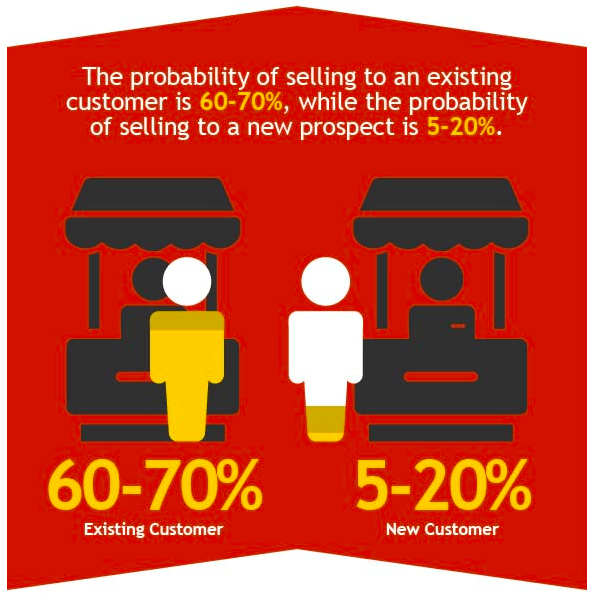
In “Unlocking the Power of Customer Loyalty: Reignite Your Sales with Reactivation Strategies,” you’ll discover the untapped potential of reactivating lapsed customers and old leads. This article highlights the importance of nurturing old opportunities and explains why it’s a cost-effective method to acquire new leads. Many businesses unknowingly leave money on the table by neglecting these valuable prospects, but by implementing reactivation strategies, you can reignite customer loyalty and significantly boost your sales.
1. Understanding the Importance of Customer Loyalty
Customer loyalty is a crucial aspect of any successful business. When customers consistently choose your products or services over your competitors’, it not only increases your sales and revenue but also enhances the overall reputation and success of your brand.
1.1 The benefits of customer loyalty
Building a loyal customer base brings numerous benefits to your business. First and foremost, loyal customers are more likely to make repeat purchases, reducing the need to constantly acquire new customers. This not only saves marketing costs but also increases profitability as repeat customers often spend more.
Furthermore, loyal customers tend to have a positive perception of your brand, leading to increased brand advocacy and word-of-mouth referrals. Satisfied customers are more likely to recommend your business to their friends, family, and colleagues, thereby generating organic growth.
1.2 The impact of customer loyalty on sales
Customer loyalty directly affects sales by increasing customer retention rates. According to research, acquiring a new customer can cost up to five times more than retaining an existing one. By focusing on customer loyalty, you can create a steady stream of revenue from repeat purchases, reducing the need for constant customer acquisition efforts.
Additionally, loyal customers are more likely to explore your product or service offerings beyond their initial purchase, leading to cross-selling and upselling opportunities. This further contributes to increased sales and profitability.
1.3 How customer loyalty affects long-term customer value
Long-term customer value is directly influenced by customer loyalty. Loyal customers are more likely to continue doing business with your company for an extended period, increasing their overall value. As customers engage with your brand over time, they become more familiar with your products or services, resulting in greater trust and loyalty.
Moreover, loyal customers are more receptive to upselling and cross-selling efforts, enabling you to maximize their lifetime value. By nurturing customer loyalty and focusing on long-term relationships, you can generate sustainable revenue streams and foster a foundation of customer satisfaction.
2. Recognizing the Potential of Reactivation Strategies
While customer loyalty is vital, businesses often overlook the untapped potential of reactivating lapsed customers. Reactivation strategies can help breathe new life into old leads and reignite their interest in your brand.
2.1 What is customer reactivation?
Customer reactivation involves reaching out to customers who have stopped engaging with your brand or making purchases. It aims to reestablish a connection, remind them of the value you provide, and encourage them to engage with your business once again. Reactivating lapsed customers enables you to tap into an existing database of potential customers instead of solely focusing on acquiring new leads.
2.2 The advantages of reactivation strategies
One of the primary advantages of implementing reactivation strategies is cost-effectiveness. It is often more economical to re-engage with lapsed customers compared to acquiring new ones. By capitalizing on existing customer data, you can utilize targeted marketing efforts to entice potential customers who have already demonstrated interest in your product or service.
Reactivation strategies also offer an opportunity to deepen customer relationships. By reaching out to lapsed customers, you can address any concerns or objections they may have had, demonstrate your commitment to their satisfaction, and ultimately regain their trust and loyalty.
2.3 Common challenges in reactivation efforts
While reactivation strategies can be highly effective, they are not without their challenges. One common obstacle is identifying and segmenting lapsed customers accurately. Understanding the reasons behind their disengagement is crucial to tailoring reactivation campaigns that address their specific needs and concerns.
Another challenge is overcoming customer resistance or objections during the reactivation process. Some lapsed customers may have had negative experiences or found alternatives they prefer. Addressing these concerns and offering personalized solutions can help rebuild their trust and reignite their interest in your brand.
Furthermore, ensuring ongoing customer engagement after reactivation is essential. Simply reactivating a customer without a long-term strategy for customer retention and satisfaction may result in them lapsing again.
3. Identifying and Segmenting Lapsed Customers
To effectively implement reactivation strategies, it is essential to identify and segment lapsed customers based on their behavior and engagement with your brand.
3.1 Defining lapsed customers
A lapsed customer is typically someone who has previously made a purchase or engaged with your brand but has subsequently stopped doing so for a significant period. The exact definition may vary depending on your industry and business model. Identifying lapsed customers allows you to understand their behavior patterns and tailor reactivation efforts accordingly.
3.2 Methods to identify and segment lapsed customers
One common method to identify lapsed customers is by monitoring their activity or lack thereof. Analyzing purchase history, communication engagement, or website visits can provide insights into their disengagement. Utilizing customer relationship management (CRM) software or marketing automation tools can assist in accurately tracking and categorizing lapsed customers.
Segmenting lapsed customers based on the reasons for their disengagement is another effective strategy. By understanding if their lapse was due to dissatisfaction, competitive offerings, or other factors, you can create more personalized reactivation campaigns that address their specific concerns.
3.3 Analyzing reasons for customer lapse
Understanding why customers lapse is crucial in crafting effective reactivation campaigns. Conducting surveys, organizing focus groups, or analyzing customer feedback can provide insights into the underlying reasons behind their disengagement. This information allows you to tailor messages and incentives that resonate with their needs and motivations, increasing the chances of reengaging them successfully.
4. Crafting Effective Reactivation Campaigns
Once you have identified and segmented your lapsed customers, it is essential to create targeted reactivation campaigns that capture their attention and encourage their reengagement.
4.1 Setting specific reactivation goals
Before launching a reactivation campaign, it is crucial to define specific goals and objectives. These goals may include a target percentage of reactivated customers, revenue generated from reactivated customers, or even reestablishing long-term customer relationships. Clearly defined goals provide a measurable framework against which to evaluate the success of your reactivation efforts.
4.2 Designing personalized offers and incentives
Personalization is key to effectively reconnecting with lapsed customers. Craft tailored offers, discounts, or incentives that align with their specific interests or previous purchase history. By demonstrating that you understand their individual needs, you can entice them to reengage with your brand.
4.3 Leveraging multiple communication channels
Utilize multiple communication channels, such as email, direct mail, social media, or SMS, to reach lapsed customers effectively. Each channel has its strengths and preferences, and by diversifying your approach, you increase the likelihood of capturing their attention and prompting action.
4.4 Implementing automated reactivation workflows
Automation can streamline and enhance the reactivation process. Implementing automated reactivation workflows allows you to send personalized, timely messages and offers based on specific triggers or customer behavior. This ensures consistent and targeted communication across various touchpoints and increases the efficiency of your reactivation efforts.
5. Leveraging Data and Analytics for Reactivation Success
Data and analytics play a vital role in reactivation strategies by providing valuable insights into customer behavior and preferences.
5.1 Collecting and analyzing customer data
Collecting and analyzing customer data is essential to understand their behavior and preferences. Utilize data from various sources, such as purchase history, website engagement, social media interactions, or customer surveys, to gain a comprehensive understanding of your lapsed customers. By analyzing this data, you can identify patterns or trends that inform your reactivation campaigns.
5.2 Utilizing predictive analytics for targeted reactivation
Predictive analytics leverages data to forecast customer behavior and identify high-value reactivation opportunities. By analyzing historical data and applying predictive modeling techniques, you can prioritize reactivation efforts towards customers with the highest likelihood of reengagement or those with the potential for substantial lifetime value. This enables you to allocate resources effectively and focus on the most promising prospects.
5.3 Tracking and measuring reactivation campaign performance
Tracking and measuring the performance of your reactivation campaigns is vital to optimizing their effectiveness. Utilize key performance indicators (KPIs), such as reactivation rate, revenue generated, customer lifetime value, or customer satisfaction, to monitor the success of your efforts. By regularly evaluating the impact of your reactivation campaigns, you can make data-driven adjustments and continuously improve your strategies.
6. Overcoming Common Challenges in Customer Reactivation
While implementing reactivation strategies, you may encounter common challenges that require careful consideration and proactive management.
6.1 Addressing customer concerns and objections
When reaching out to lapsed customers, it is essential to address any concerns or objections they may have. Take the time to listen to their feedback and provide personalized solutions that demonstrate your commitment to their satisfaction. By addressing their concerns effectively, you can rebuild trust and increase the chances of reengagement.
6.2 Handling resistance to reactivation efforts
Some lapsed customers may be resistant to reactivation efforts due to negative experiences or finding alternative solutions. It is important to handle resistance with empathy and understanding. Provide compelling reasons for them to reconsider their disengagement, such as improved product features, enhanced customer support, or exclusive offers. By highlighting the value your brand provides, you can overcome resistance and reignite their interest.
6.3 Building trust and credibility during the reactivation process
During the reactivation process, it is crucial to focus on building trust and credibility with lapsed customers. Ensure that your communication is transparent, consistent, and personalized. Be responsive to customer inquiries or concerns and demonstrate a genuine commitment to their satisfaction. By fostering trust throughout the reactivation process, you can enhance the likelihood of reengagement and long-term loyalty.
7. Implementing Ongoing Customer Engagement Strategies
Reactivating lapsed customers is only the first step; ongoing engagement is crucial to maintain their loyalty and maximize their value to your business.
7.1 Importance of ongoing customer engagement
Consistent and meaningful customer engagement is essential to nurture long-term relationships. Regularly communicate with your customers through personalized messages, relevant content, or exclusive offers. By staying top-of-mind and demonstrating your continued value, you can foster loyalty and encourage repeat business.
7.2 Creating personalized experiences
Personalization plays a key role in ongoing customer engagement. Tailor your communication and offerings to each customer’s preferences, needs, and purchasing history. Utilize data and automation to customize the customer experience, ensuring that each interaction feels unique and relevant. By creating personalized experiences, you can deepen customer loyalty and drive ongoing engagement.
7.3 Building loyalty through exceptional customer service
Exceptional customer service is crucial for fostering trust, loyalty, and ongoing engagement. Ensure that your customer support team is well-trained, responsive, and empathetic. Address customer inquiries, concerns, or complaints promptly and effectively. By delivering exceptional service consistently, you can build strong customer relationships, encourage repeat business, and generate positive word-of-mouth referrals.
8. Maximizing the Value of Reactivated Customers
Reactivate customers have the potential to become valuable assets to your business. By focusing on maximizing their value, you can further increase profitability and drive long-term growth.
8.1 Increasing customer lifetime value
To maximize the lifetime value of reactivated customers, continue to nurture their engagement and provide exceptional experiences. Offer loyalty programs or exclusive benefits to encourage repeat purchases and customer loyalty. By establishing a long-term relationship, you can continually increase their value to your business.
8.2 Cross-selling and upselling opportunities
Reactivated customers represent opportunities for cross-selling and upselling. Analyze their previous purchase history and behavior to identify complementary products or services that may interest them. Tailor your offerings and promotions to highlight these opportunities, increasing their overall spend and contributing to revenue growth.
8.3 Encouraging referrals and positive reviews
Reactivated customers can become brand advocates, spreading positive word-of-mouth and driving new business. Encourage them to refer friends, family, or colleagues to your business by offering incentives or rewards. Additionally, ask satisfied reactivated customers to share their experiences through reviews or testimonials, further enhancing your reputation and credibility.
9. Case Studies: Successful Reactivation Strategies
Examining successful reactivation strategies from various companies can provide valuable insights and inspiration for your own efforts.
9.1 Company A: From lapsed customers to brand advocates
Company A implemented a comprehensive reactivation campaign targeting lapsed customers. By analyzing their purchase history and preferences, they created personalized offers and incentives that resonated with their interests. Through consistent and targeted communication across multiple channels, Company A successfully reengaged lapsed customers, transforming them into passionate brand advocates who not only made repeat purchases but also referred new customers.
9.2 Company B: A targeted email campaign that drove reactivation
Company B developed a targeted email campaign to reactivate lapsed customers. By leveraging personalized messaging, compelling offers, and exclusive content, they enticed lapsed customers to revisit their website and make new purchases. Through meticulous tracking and measuring of campaign performance, Company B identified areas for improvement and continually refined their reactivation strategies, achieving significant revenue growth and customer reengagement.
9.3 Company C: Leveraging social media to reignite customer loyalty
Company C recognized the power of social media in reactivating lapsed customers. By developing engaging and relevant content, they reignited customer interest and fostered conversation around their brand. By engaging with lapsed customers directly through social media platforms, Company C rebuilt trust and credibility, resulting in increased customer reactivation and brand loyalty.
10. Avoiding Common Pitfalls in Reactivation Efforts
While implementing reactivation strategies, it is important to be aware of common pitfalls that can hinder your success.
10.1 Lack of personalization and relevance
Failure to personalize reactivation efforts can result in disengagement and a lack of response from lapsed customers. Ensure that your messages, offers, and incentives are tailored to each customer’s specific needs and preferences. By demonstrating that you understand their unique requirements, you increase the chances of successful reengagement.
10.2 Overlooking valuable reactivation opportunities
Not all lapsed customers are equal in terms of their potential value to your business. By focusing solely on reactivating customers based on recency or past purchase amount, you may overlook valuable opportunities. Utilize data and predictive analytics to identify customers with high potential for reengagement or those with significant lifetime value. By prioritizing these opportunities, you can optimize your reactivation efforts.
10.3 Neglecting ongoing customer engagement
Reactivating a customer is just the beginning of a long-term relationship. Failing to implement ongoing customer engagement strategies may lead to subsequent lapses. Maintain consistent communication, personalized experiences, and exceptional customer service to foster loyalty and maximize the value of reactivated customers. Continually nurture their engagement and provide them with reasons to remain loyal to your brand.
In conclusion, customer loyalty is a fundamental aspect of business success. However, many companies fail to recognize the potential of reactivating lapsed customers. By understanding the benefits of customer loyalty, implementing effective reactivation strategies, and leveraging data and analytics, businesses can unlock the power of reactivated customers, maximize their value, and drive sustainable growth.